
Strategic Performance Dashboard: 18339191627, 18339811372, 18339870378, 18442017176, 18442432303, 18442989776

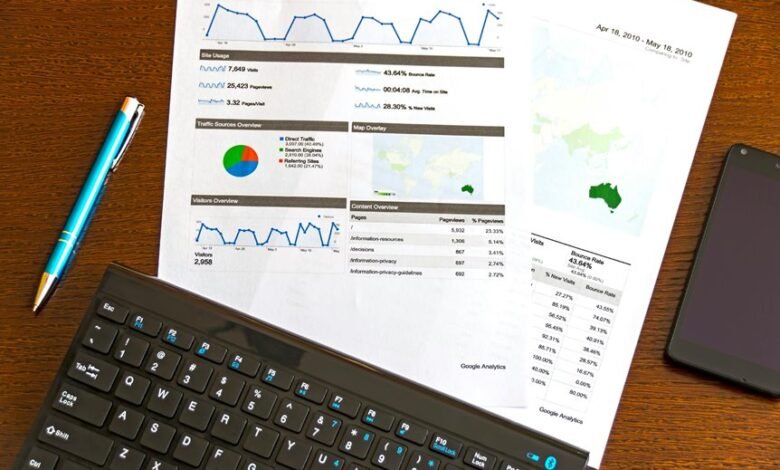
The Strategic Performance Dashboard represents a crucial mechanism for organizations to monitor essential performance indicators. By integrating metrics such as 18339191627 and 18442989776, it enables a structured approach to data analysis. This tool not only promotes transparency but also aligns operational activities with broader strategic objectives. However, understanding its implementation and maximizing its potential remains a challenge for many. What factors contribute to its effectiveness in enhancing organizational performance?
Understanding the Strategic Performance Dashboard
Although the concept of a Strategic Performance Dashboard may seem straightforward, its implementation requires a nuanced understanding of various organizational metrics and objectives.
Effective dashboards leverage data visualization techniques to present complex performance metrics analysis in an accessible manner.


This clarity enables stakeholders to make informed decisions, aligning operational efforts with strategic goals while fostering an environment that encourages autonomy and informed engagement among team members.
Key Features and Benefits
A Strategic Performance Dashboard is characterized by several key features that collectively enhance its utility for organizations.
These include advanced data visualization techniques that present complex performance metrics in an accessible format, facilitating informed decision-making.
Additionally, the dashboard’s real-time data tracking empowers organizations to monitor progress continuously, ultimately supporting strategic objectives and fostering a culture of accountability and transparency within the organization.
Implementing the Dashboard for Optimal Results
Implementing a Strategic Performance Dashboard requires a structured approach to ensure optimal results and alignment with organizational goals.
Effective dashboard integration is essential for aggregating performance metrics that reflect strategic objectives.
Conclusion
In conclusion, the Strategic Performance Dashboard is an essential tool for organizations aiming to enhance performance tracking and decision-making. With 70% of organizations reporting improved accountability after adopting such dashboards, it becomes evident that these tools foster a culture of transparency and alignment with strategic goals. By leveraging advanced data visualization techniques, organizations can continuously monitor their progress, driving stakeholder engagement and ensuring that operational efforts are effectively aligned with overarching objectives.